
Words Matter: Why Definitions Matter in Public Debate

Words Matter: Why Definitions Matter in Public Debate Certain words appear more and more often in public discussion. Terms such as harassment, defamation, and abuse of power can significantly influence how people view a situation, a public debate, or another person. That is why definitions matter. Harassment Harassment generally involves threatening, intimidating, stalking, or seriously […]
Council Member Requests Sources for South Algonquin Matters Article

Council Member Requests Sources for South Algonquin Matters Article On May 16, 2026, a councillor for the Township of South Algonquin commented on a recent South Algonquin Matters article on social media, describing it as “interesting” while requesting supporting sources so readers could independently fact check the information. Shortly afterward, a resident responded by pointing […]
Freedom of Speech Matters Most When Speech Becomes Uncomfortable

Freedom of Speech Matters Most When Speech Becomes Uncomfortable A healthy democratic society is not measured by how institutions respond to praise. It is measured by how they respond to criticism. Freedom of Expression Freedom of expression is one of the cornerstones of a democratic society. In Canada, it is not merely a political slogan […]
Why Journalistic Freedom Matters in Canada
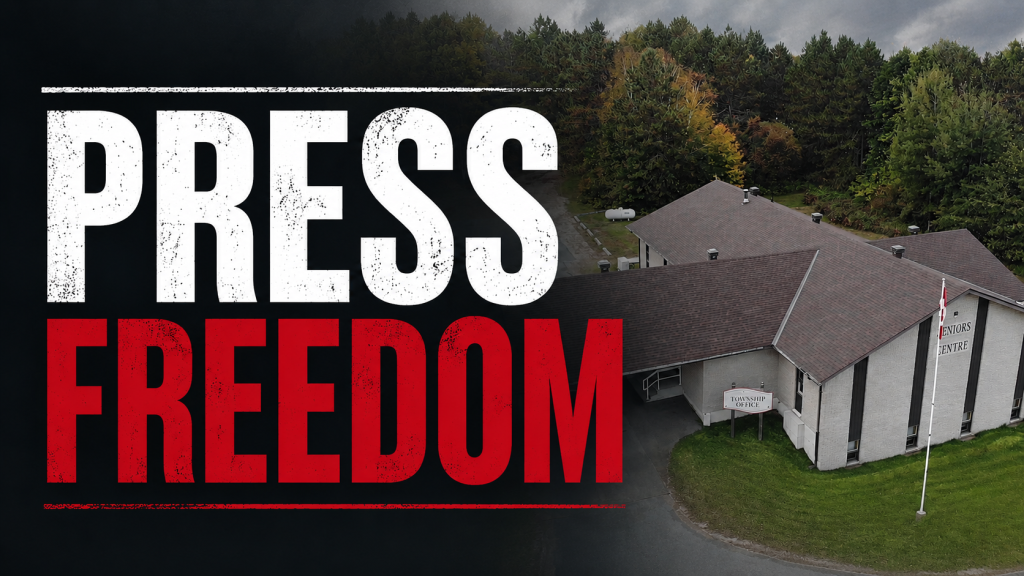
Why Journalistic Freedom Matters in Canada A free press is an important part of Canadian democracy. Journalists ask difficult questions. They investigate governments and public institutions. They report on controversy and help bring information to the public that might otherwise receive limited public attention. In Canada, freedom of the press is protected under Section 2(b) […]
The Streisand Effect: When Attempts to Control Information Draw More Attention
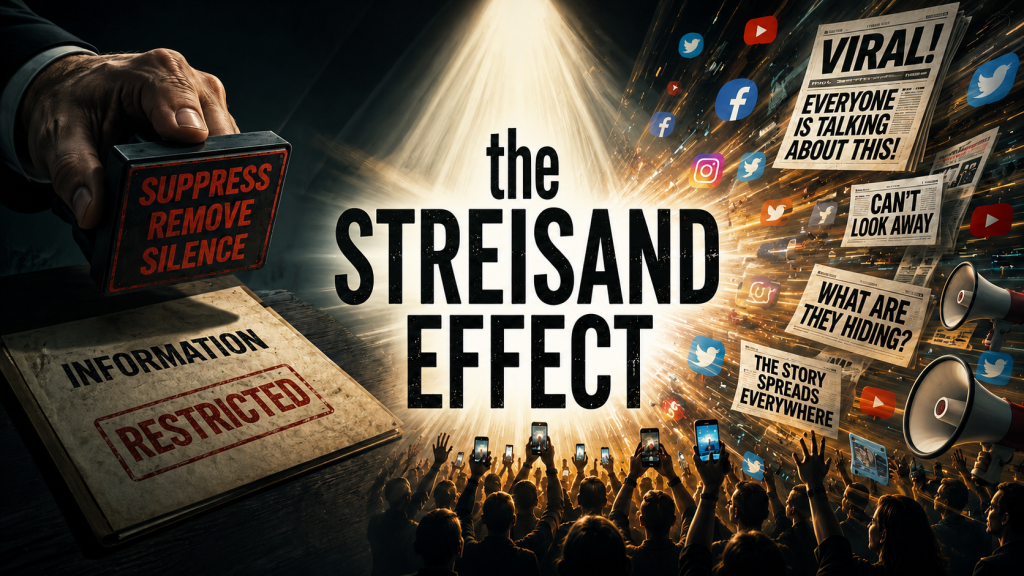
The Streisand Effect: When Attempts to Control Information Draw More Attention The “Streisand Effect” is a widely recognized term used to describe situations where attempts to suppress, censor, remove, or intimidate criticism unintentionally attract more public attention to the issue instead. The term originated after singer Barbra Streisand attempted to remove aerial photographs of her […]
Anti-SLAPP Laws: Why Public Participation and Journalism Matter
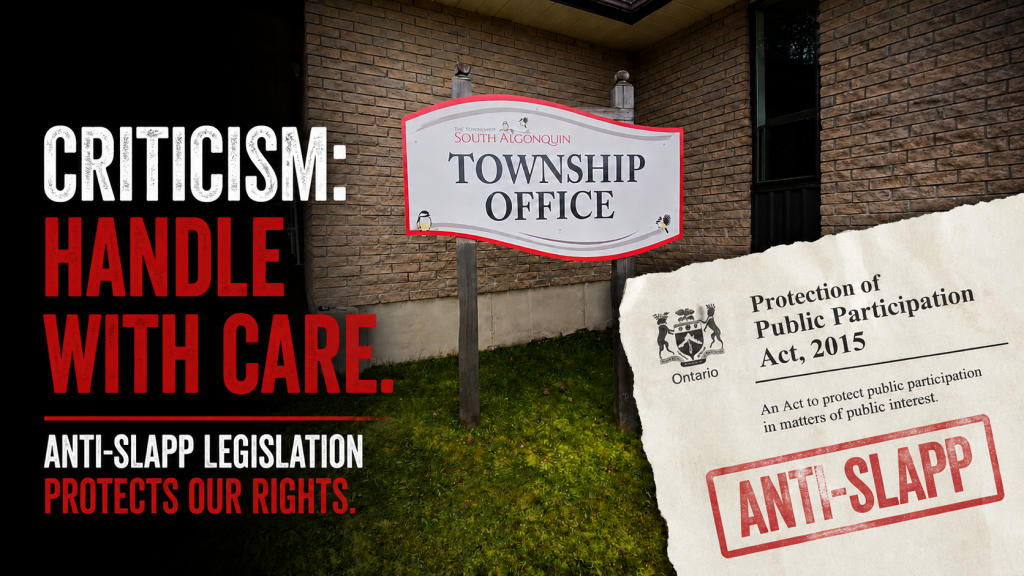
Anti-SLAPP Laws: Why Public Participation and Journalism Matter One of the nice things about living in Canada – a democracy – is that people are supposed to be able to speak openly about issues affecting their communities. That includes questioning government decisions, criticizing public officials, reporting on local controversies, filing complaints, and discussing matters of […]
Municipal Power Has Legal Limits
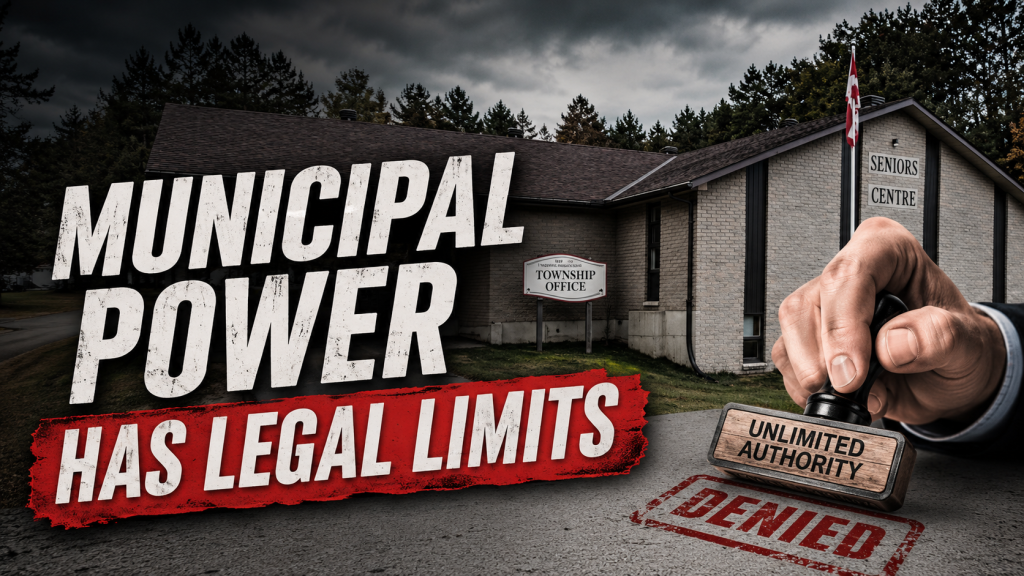
Municipal Power Has Legal Limits Many people assume municipal officials are always protected from personal legal consequences because the municipality — and its insurance — will automatically shield them. That is not always true. Public Office Is a Public Trust In Canada, municipal councillors, mayors, CAOs, bylaw officers, building officials, and other staff exercise powers […]
When Municipalities Use Workplace Safety Laws to Respond to Public Criticism
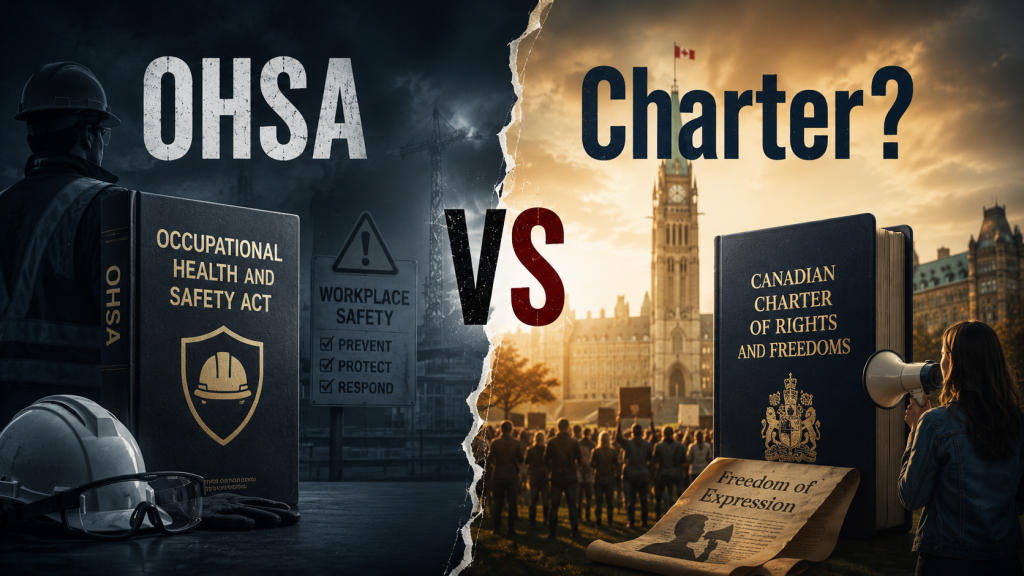
When Municipalities Use Workplace Safety Laws to Respond to Public Criticism Background Across Canada, public institutions are increasingly using workplace safety language when responding to criticism from residents, journalists, and community advocates. Terms such as “harassment,” “hostile conduct,” “unsafe environment,” and “employee wellbeing” are appearing more frequently in disputes involving criticism of municipal decisions, elected […]
When Municipal Responses to Criticism Become the Bigger Story
When Municipal Responses to Criticism Become the Bigger Story Background Across Ontario, courts have increasingly been asked to weigh an important democratic question: How far can municipalities go when responding to criticism, protest, recording, public participation, or uncomfortable public scrutiny? These disputes are rarely just about one argument or one meeting. They often become larger […]