Building Inspection Leads to Record-Keeping Questions
A routine building inspection at a local business in South Algonquin highlights inspection practices, municipal record keeping, and how accessible government records are to residents.
An insulation inspection later led to a Freedom of Information (FOI) request, an appeal to the Information and Privacy Commissioner of Ontario, and enquiries about how electrical inspection records are handled by the township.
At the center of the issue are three basic questions:
- Are inspection requirements being applied consistently?
- Are municipal records being maintained in a clear and reliable way?
- Does the Freedom of Information process help residents understand what happened, or make that process harder?
Standard Practice for Electrical Work in Ontario
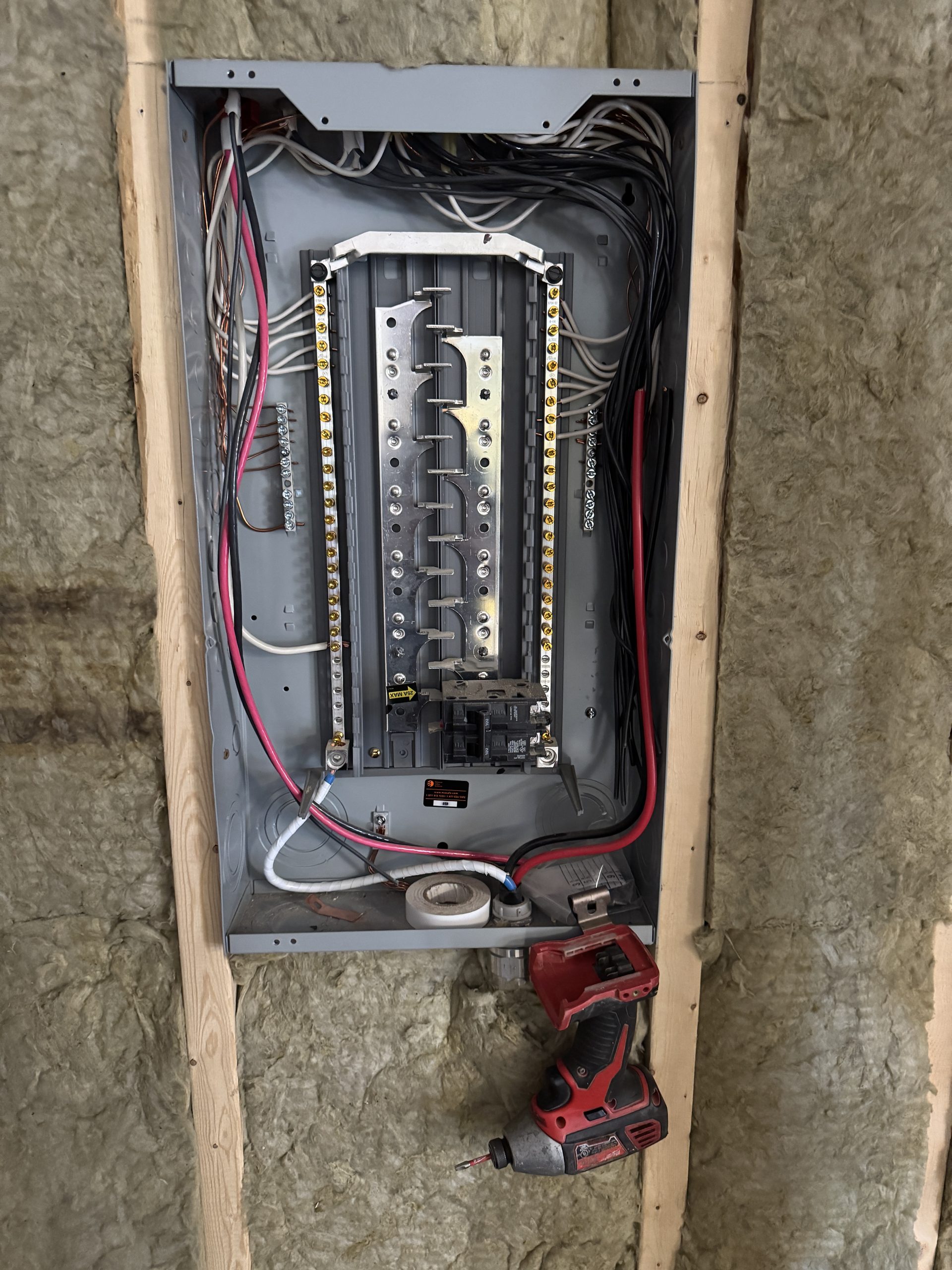
Electrical work in Ontario is regulated by the Electrical Safety Authority (ESA) under the Ontario Electrical Safety Code. Electrical permits are required, and ESA inspectors determine whether installations meet safety standards. Because this area of construction is highly regulated, municipal building officials usually do not assess the details of electrical installations themselves.
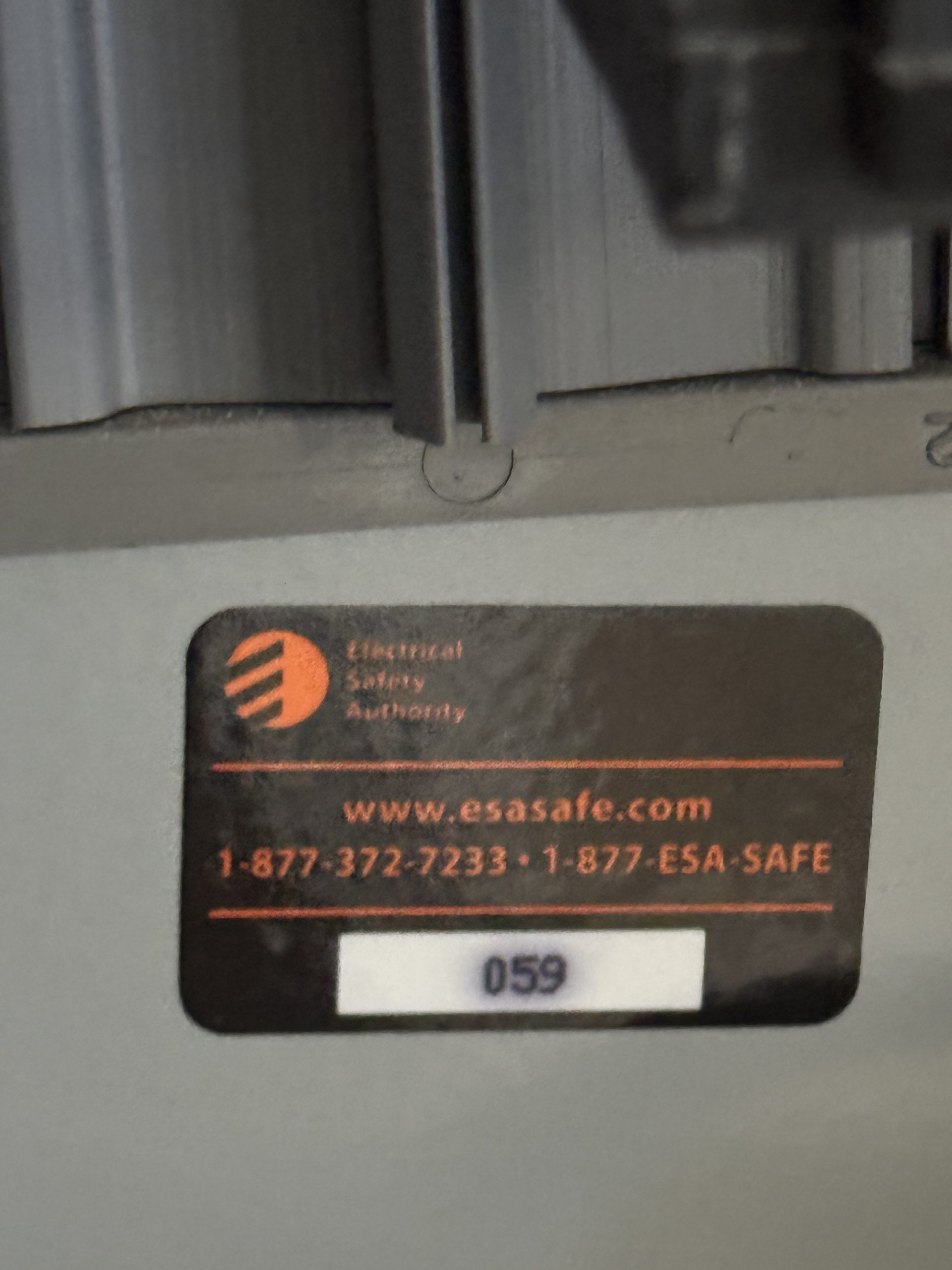
Instead, building officials typically confirm that ESA inspection has taken place. When electrical work passes inspection, ESA inspectors normally place a final inspection sticker inside the electrical panel which serves as proof.
Two licensed master electricians consulted for this article said that in their experience across several municipalities, building officials usually check for the ESA sticker rather than requesting copies of ESA inspection reports for renovation work.
Electrical Questions During an Insulation Inspection
According to records, on January 29, 2025, a building inspection took place at a local business during the insulation stage of construction. The inspection was conducted by the township’s Chief Building Official.
Notes indicate the visit was scheduled as an insulation inspection. During the inspection, however, the discussion shifted to electrical installation details, including whether metal electrical boxes could be used on exterior walls with vapor barrier boots.
The property owner explained that metal electrical boxes are commonly used and permitted under electrical standards. The owner also noted they are a licensed master electrician.
The owner asked why electrical installation practices were being discussed during an insulation inspection and why the ESA approval sticker already visible in the electrical panel was not sufficient confirmation that the work had passed electrical inspection.
Request for Electrical Inspection Report
Following the discussion, the Chief Building Official requested a copy of the final ESA inspection report before closing the building permit. The Ontario Building Code does allow building officials to request proof that electrical work has been inspected. However, the property owner said that after more than 15 years of building and renovation work in South Algonquin, they had never previously been asked to provide a copy of an ESA inspection report.
The request raised questions about whether the requirement was standard practice or specific to this project. To find out, the property owner turned to a Freedom of Information request.
Freedom of Information Request
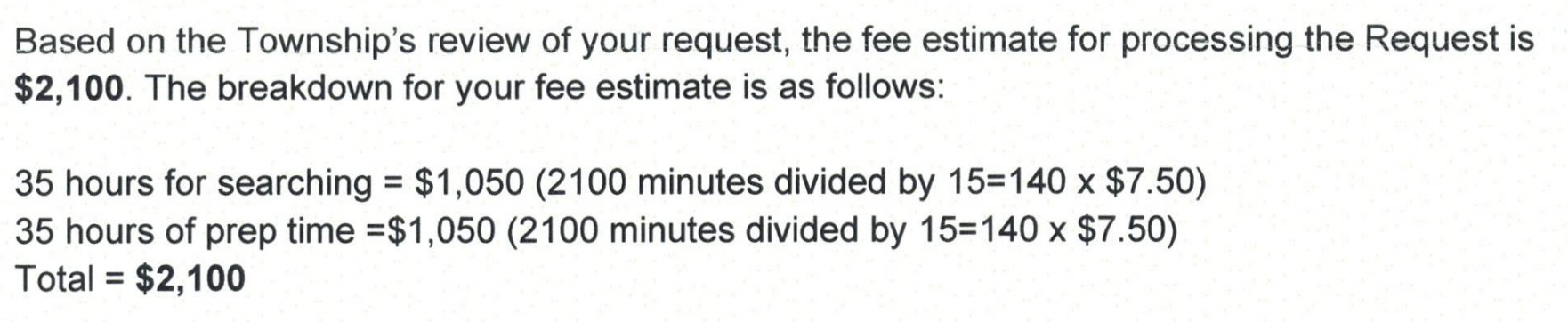
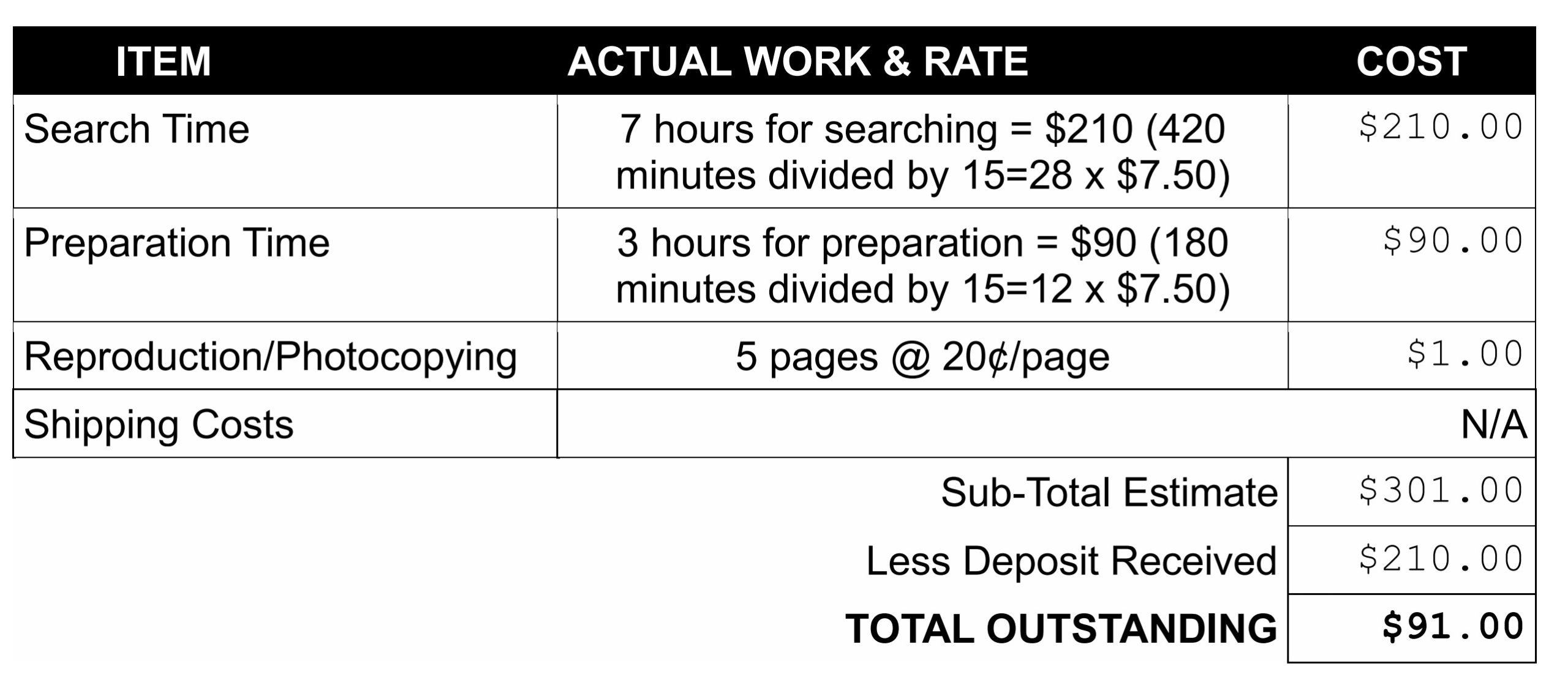
Any ESA inspection reports previously collected would be public access information. The property owner filed a Freedom of Information request asking for copies of ESA electrical inspection reports held by the township over the past five years. Shortly afterward, the property owner received a fee estimate of $2,100, based on 35 hours of searching and 35 hours of preparing records. The estimate was appealed to the Information and Privacy Commissioner of Ontario, where it was scoped and reduced to $301. The process took approximately eight months.
Retroactive Requests for Records
The search produced 24 heavily redacted documents, which impedes assessment of quality. An appeal of redactions is under way. A review of the records suggests that as many as 14 may be duplicates, leaving ten records of interest. However, the results are still inconclusive.
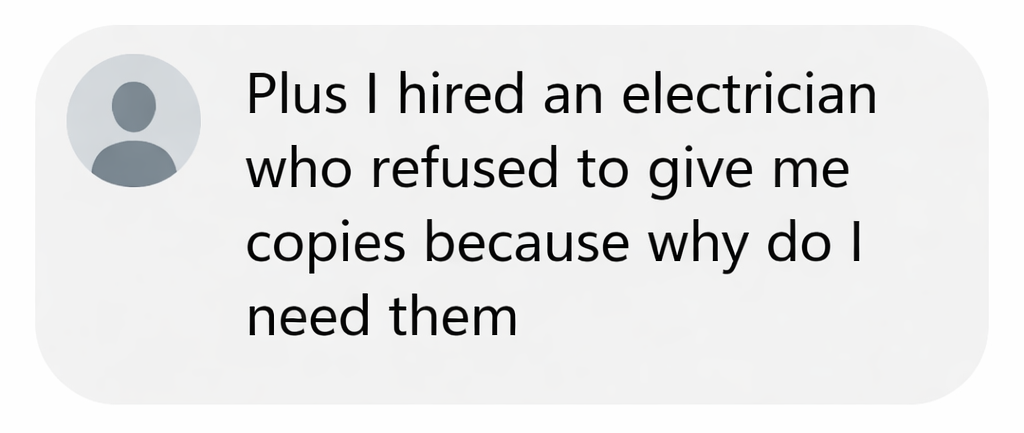
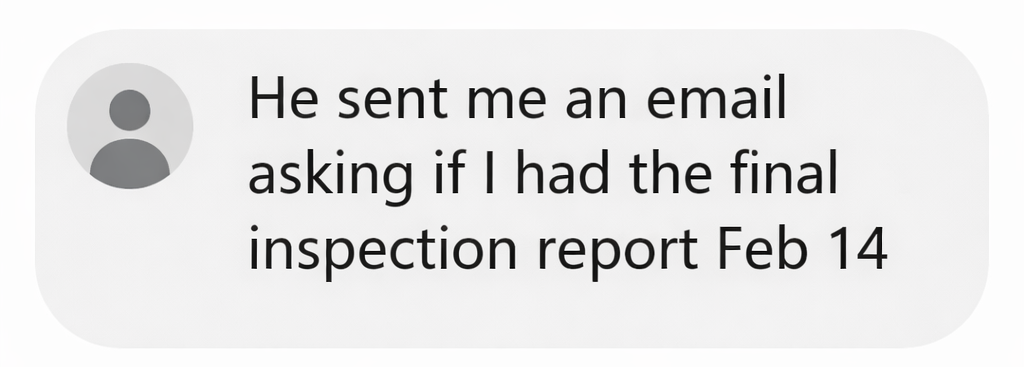
South Algonquin Matters also reviewed correspondence suggesting that the Chief Building Official may have retroactively requested copies of ESA final inspection reports from projects completed more than two years earlier. According to the records reviewed, those requests occurred about two weeks after the FOI request was filed.
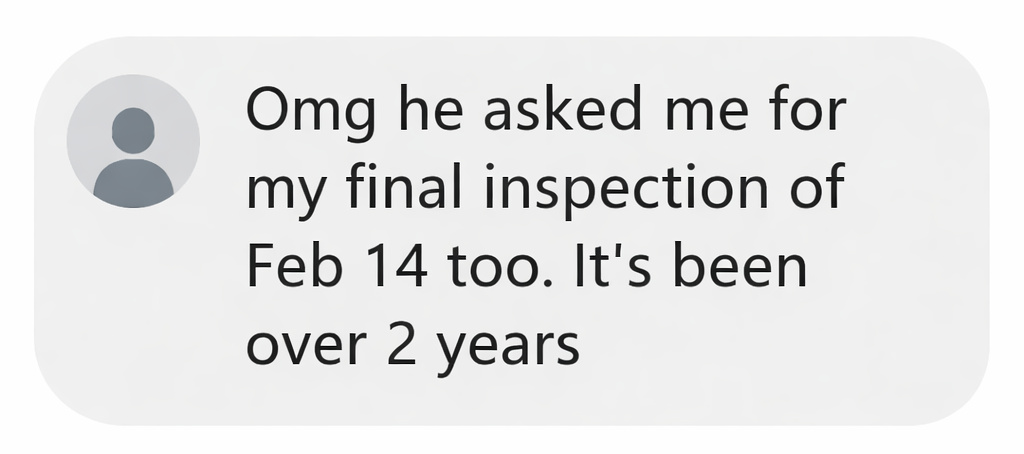
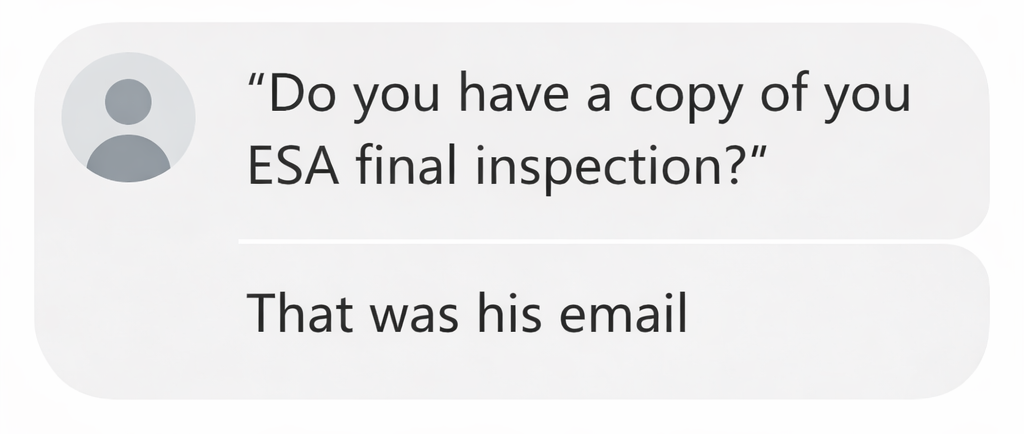
One citizen writes “Omg he asked me for my final inspection of Feb 14 too. It’s been over 2 years“
This sequence raises a practical question about record keeping: If ESA inspection reports were not previously collected, does requesting them after an FOI request change what records exist?
Why This Matters
Building inspections and Freedom of Information laws both exist to protect the public.
Inspections help ensure construction safety and a process that is the same for everyone. Freedom of Information laws allow residents to understand how government decisions are made.
For builders and property owners, clear and consistent inspection practices are essential. When responsibilities between the municipality and the Electrical Safety Authority are not clearly understood, confusion can follow.
At the same time, the FOI system is intended to give residents access to public records in a reasonable and transparent way. Large fee estimates, long delays, and heavily redacted documents are a drawback to the formal FOI process.
Broader questions about consistency, transparency, and how public records are maintained when concerns are raised are fair questions for the public to ask.