Councillor not sanctioned for reprisal against complainant

In October 2024, South Algonquin Council received another report from the municipality’s Integrity Commissioner concerning the conduct of a sitting councillor. The report was prepared by Integrity Commissioner Tony Fleming of Cunningham Swan and presented to council in accordance with the oversight framework established under the Municipal Act.
Integrity Commissioners are appointed by municipalities to investigate complaints about whether elected officials have followed the municipality’s Code of Conduct. Their role is independent, and their findings are based on reviewing evidence and applying the rules set out in municipal policy and provincial legislation.
In this case, the report examined allegations relating behaviour connected to a previous complaint against Councillor Florent. It was found that Councillor Florent retaliated against a constituent.
The Reprisal Finding
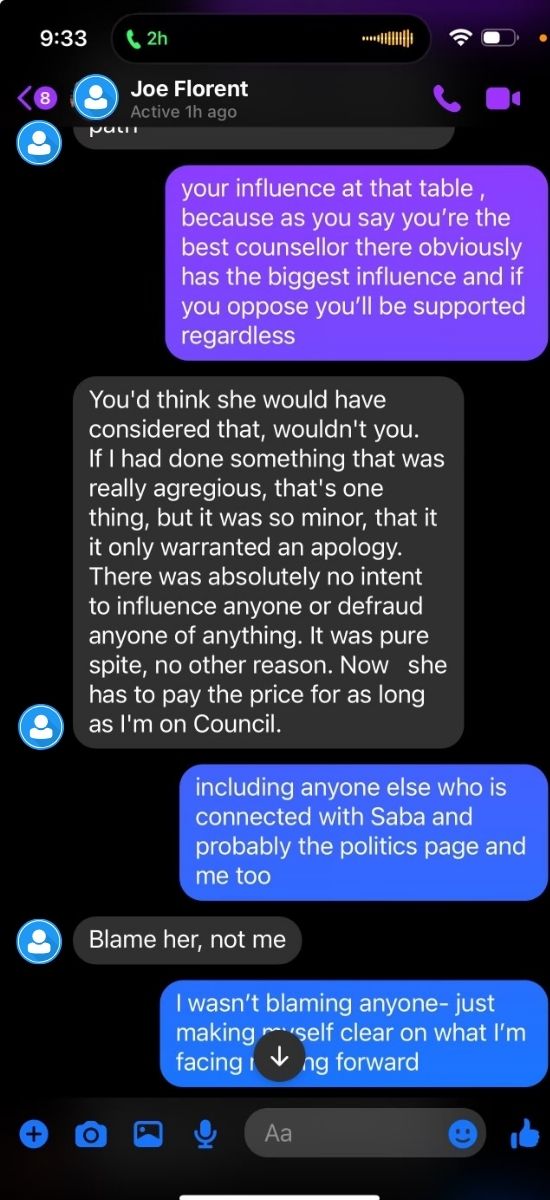
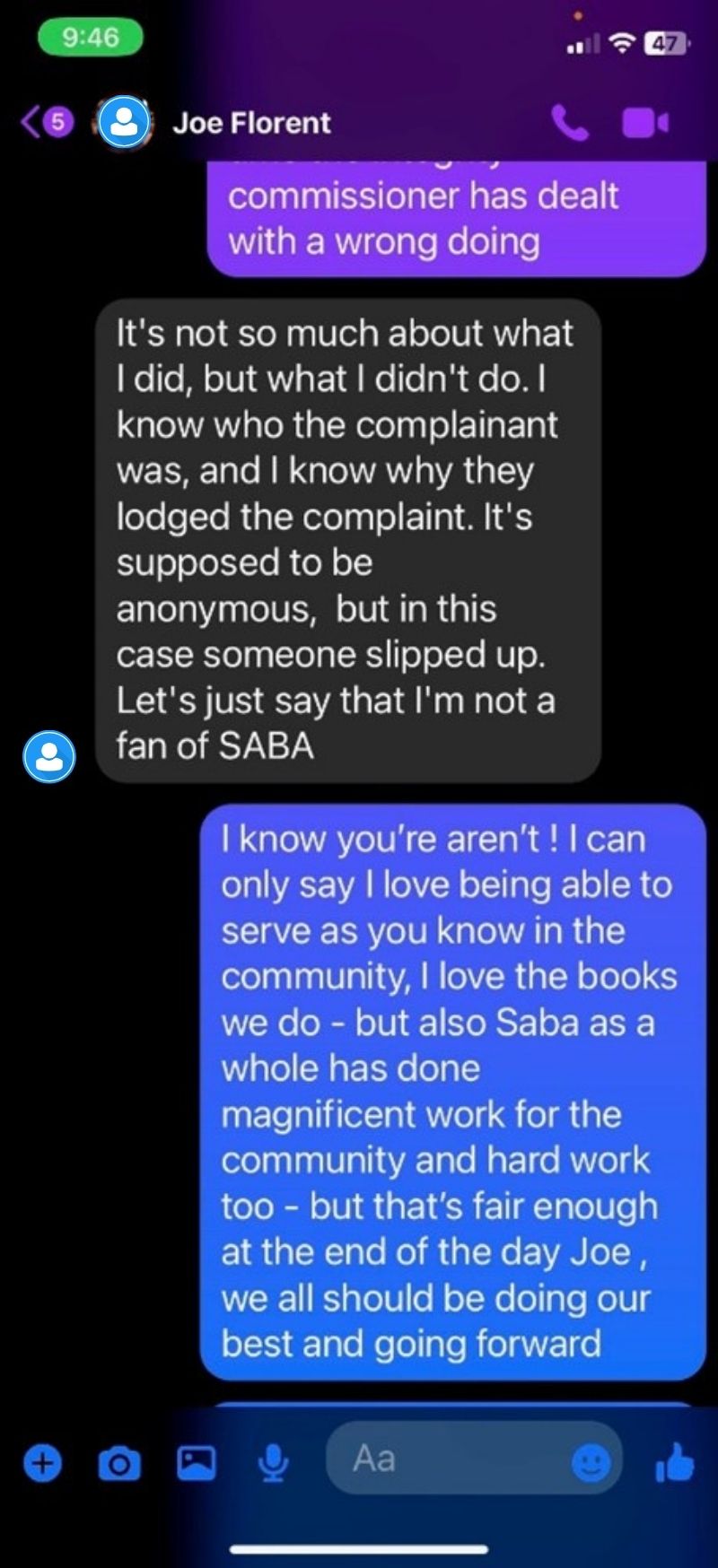
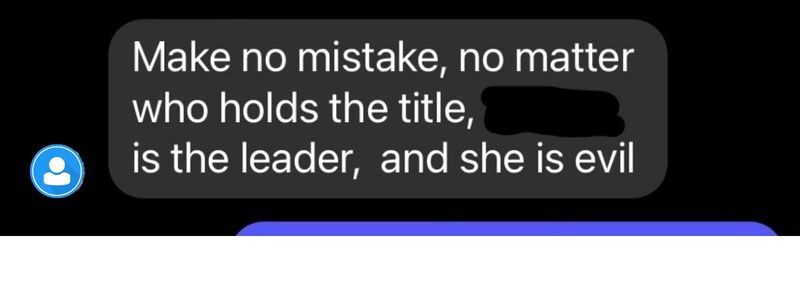
The most serious issue examined in the report involved allegations that the councillor issued a reprisal against a resident who had previously filed a complaint under the Township’s Code of Conduct. Evidence reviewed by the Integrity Commissioner included screenshots of Facebook Messenger conversations.
According to the report, the messages showed the councillor referring to an individual as “evil” and stating that the person “has to pay the price for as long as I’m on council.” The messages also indicated that the councillor would refuse support for the individual or organizations associated with them.
The Integrity Commissioner concluded that these statements represented a reprisal.
The Township’s Code of Conduct explicitly prohibits this kind of behaviour. Section 16(2) states that no member of council may threaten or carry out reprisals against anyone who initiates a complaint or provides information to the Integrity Commissioner during an investigation.
The report states clearly: “Stating that the Member will not support any request coming to Council from a named individual or a group that they represent is a form of reprisal and is a breach of the Code of Conduct.”
Municipal decision-making is supposed to be based on the public interest, not personal disputes.
Full Integrity Commissioner Report Video
Why Reprisals Matter
The Integrity Commissioner emphasized that reprisals strike at the heart of municipal accountability.
The Code of Conduct system exists so residents, staff, and other councillors can raise concerns about conduct without fear of retaliation. If people believe they will face consequences for filing complaints, the oversight system stops working.
The report noted that the reprisal in this case was political rather than personal, which the Commissioner considered a mitigating factor. However, the report still described the behaviour as a serious breach because it undermines the fairness of council decision-making.
The recommendation from the Integrity Commissioner was straightforward: suspend the councillor’s pay for one week as a penalty intended to demonstrate that council does not condone reprisals. Council voted not to impose a penalty.
A Pattern of Conduct Findings
This was not the first Integrity Commissioner finding involving the same councillor. Earlier investigations had already concluded that he breached rules related to conflict of interest and decorum at the council table.
When multiple complaints lead to substantiated findings over time, it raises broader governance questions for any municipal council.
Integrity Commissioner investigations are not meant to be political tools. They exist to provide independent oversight when conduct concerns arise.
Repeated findings can signal deeper tensions within a council and need for training around expectations of behaviour and accountability.
Oversight and Transparency
The report itself was presented to council as required under the Municipal Act, which governs how Integrity Commissioner investigations are handled.
Council’s role in these situations is limited. They must accept the report as it is written. Their only authority is to decide whether to adopt the recommended penalty and how the report should be made public. That structure is intentional. It ensures that the investigation process remains independent of council politics.
However, the effectiveness of the system still depends on how councils respond once findings are made.
Why This Matters
Municipal governments rely heavily on public trust.
Residents expect their elected representatives to debate issues vigorously, but also to treat members of the public fairly and without reprisal.
Integrity Commissioner’s finding that a complainant was subject to reprisals raises legitimate questions about how decisions are being made at a council table.
When personal opinions begin influencing governance, it can undermine public confidence in the fairness of municipal decision-making. Oversight systems such as Integrity Commissioner investigations exist to address exactly these situations. They help ensure that the rules governing council conduct are more than just words on paper. But oversight only works when the findings are taken seriously and when councils demonstrate a clear commitment to the principles those rules were designed to protect.